
Prevent Sensitive Teeth After Traditional Fillings with Biomimetic Fillings

Most patients expect immediate relief after a cavity is repaired. The decay has been removed, the tooth has been restored, and the appointment is complete. Yet later that day or in the following weeks, the same tooth may react to cold drinks or feel uncomfortable when biting down. When this happens, patients often wonder why a tooth that has already been treated still feels sensitive.
To understand this reaction, it helps to look at how a tooth functions internally. A tooth is built in layers. The outer enamel protects the softer dentin beneath it. Inside the dentin are microscopic channels called dentinal tubules. These tiny pathways connect to the nerve tissue in the center of the tooth. When temperature or pressure changes affect these tubules, the nerve can register the sensation as sensitivity.
Restorative dentistry aims to remove decay while preserving as much healthy tooth structure as possible. The way the restoration interacts with the remaining enamel and dentin can influence how the tooth behaves afterward. Because of this, some dentists now use restorative approaches that focus on reinforcing the tooth rather than simply filling a space where decay once existed.
When Sensitivity Appears After a Filling
Some patients develop sensitive teeth after traditional fillings because the restoration changes how pressure travels through the tooth. When decay is removed, the dentist prepares the area so the filling can remain securely in place. This preparation may involve shaping the cavity so the material can lock into the tooth.
Once the filling is placed, the restored portion of the tooth may respond differently to chewing forces than the surrounding enamel and dentin. Teeth naturally flex slightly during biting and chewing. If the restorative material is more rigid than the surrounding tooth structure, pressure may concentrate at the interface between the filling and the natural tooth.
This stress can affect the dentin layer beneath the enamel. Dentin contains fluid-filled tubules that respond to pressure and temperature. When fluid movement within these tubules increases, the nerve inside the tooth can produce a sharp or brief sensation of sensitivity.
Most mild sensitivity improves as the tooth stabilizes after treatment, but persistent symptoms may occur if mechanical stress continues to affect the dentin.
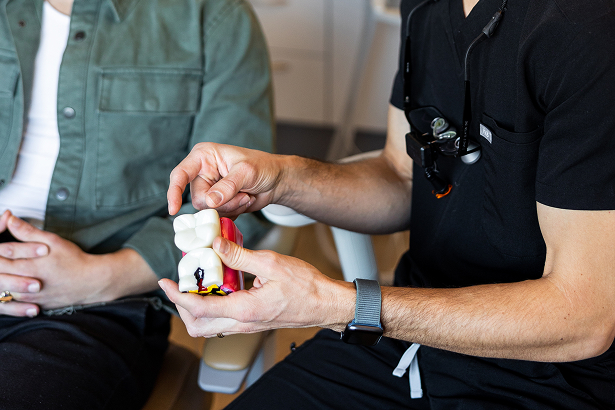
Rebuilding the Tooth with a Biomimetic Approach
Biomimetic dentistry developed from research focused on restoring teeth in ways that mimic how natural enamel and dentin respond to pressure.
Patients considering biomimetic dental fillings in Meridian, ID often hear their dentist describe this process as strengthening the tooth from within. Adhesive bonding systems seal exposed dentin and connect each restorative layer to the tooth structure.
Layering the restoration allows chewing forces to spread more evenly throughout the tooth. When pressure is distributed across the restoration and surrounding enamel, the dentin beneath the enamel experiences less concentrated stress.
This approach may reduce stimulation within the dentin that triggers sensitivity to temperature or pressure.
Preserving intact enamel remains a central goal because enamel protects the underlying dentin from temperature changes and biting forces. By stabilizing weakened areas while conserving natural structure, biomimetic restorations aim to support the tooth’s natural ability to absorb and distribute bite forces.
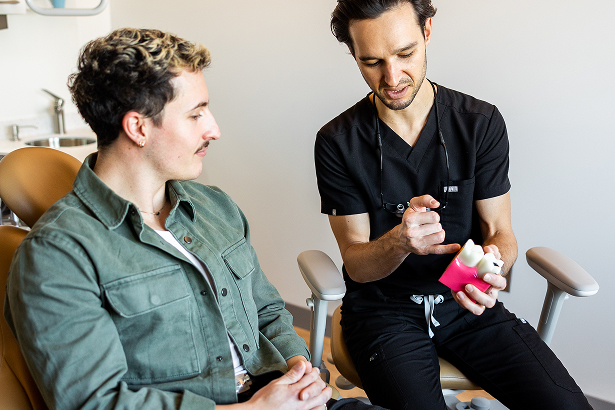
Why Some Patients Choose a Conservative Restorative Philosophy
Patients often ask whether a cavity can be repaired without removing more tooth structure than necessary. This question reflects a broader shift in dentistry toward conservative treatment planning.
A holistic dentist in Meridian, ID may discuss biomimetic techniques with patients who want restorations that prioritize preservation of healthy tissue whenever it is clinically possible.
Teeth contain layers of enamel and dentin that protect the pulp tissue and help the tooth withstand everyday chewing forces. When significant tooth structure is removed, the remaining tooth may have reduced resistance to biting forces and be more prone to fracture over time.
Biomimetic restorations attempt to reinforce weakened areas while sealing bacteria out of the tooth. By bonding directly to the existing enamel and dentin, the restoration functions more as a structural repair than a replacement.
Before recommending this type of restoration, dentists typically evaluate several clinical factors, including:
- The size and depth of the cavity
- The condition of the surrounding enamel
- How the patient’s bite distributes pressure across the tooth
- The overall strength of the remaining tooth structure
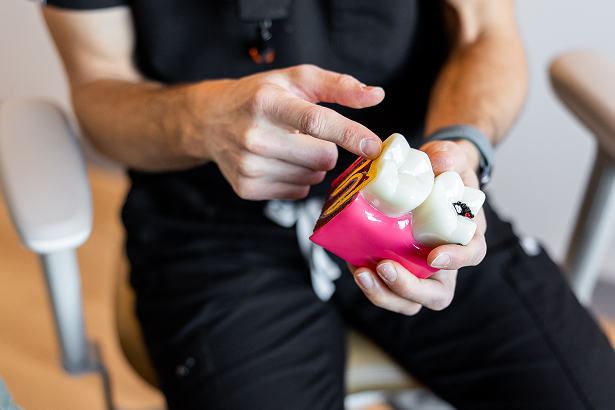
Protecting the Restored Tooth After Treatment
After a biomimetic restoration is placed, patients usually resume normal daily activities shortly after the appointment. Maintaining the stability of the restoration depends largely on routine oral care and regular dental monitoring.
Consistent oral hygiene reduces the risk of new decay developing around the restored area. Daily brushing, regular flossing, and routine dental visits help the dentist observe how the restored tooth performs over time.
Patients are also encouraged to avoid habits that place excessive pressure on teeth. Common habits that may stress both natural teeth and restorations include:
- Chewing ice
- Biting hard objects
- Using teeth to open packages
- Grinding or clenching teeth
Regular dental examinations allow the dentist to check the stability of the restoration and monitor how the surrounding enamel responds over time.
For patients who have experienced sensitive teeth after traditional fillings, discussing restorative options with a dentist can help identify techniques that better support the tooth’s natural structure while maintaining long-term comfort.
Patients who want to explore these options further can schedule a consultation with the team at Restoration Dentistry.


